Calisthenics Equipment – What Are the Different Types of Equipment You Need for Calisthenics Workout?
When I started my calisthenics journey, I was amazed by how much could be achieved using just bodyweight. But as I progressed, I learned that the right calisthenics equipment could help me push limits, target specific muscles, and reduce the risk of injury. Whether training at home, in the garden, or on the go, the right tools truly enhance the experience.
In this blog, I’ll walk you through the essential, intermediate, and advanced equipment I’ve used, plus tips for outdoor setups, portable gear, and how to choose what suits your goals best.
Why Is Calisthenics Equipment Important for Bodyweight Training?
Can You Do Calisthenics Without Equipment?
Yes, and that’s one of the most appealing aspects of calisthenics—it’s low barrier, accessible to anyone, anywhere. Exercises like push-ups, squats, and planks don’t require any gear. I started that way, focusing purely on form and body control.
However, I quickly found that my progress plateaued. That’s when equipment became crucial—not to replace the basics, but to amplify them.
What Role Does Equipment Play in Progression?
In calisthenics, progression is everything. You move from simple movements to more complex, demanding ones. The right bodyweight training tools helped me in several ways:
- Assistance: Resistance bands helped me do my first pull-up and assisted dips.
- Increased difficulty: Weight vests and parallettes introduced new challenges.
- Skill development: Equipment like rings or handstand blocks refined my control and form.
- Variety: Tools brought diversity into my workouts, keeping me motivated.
Whether it’s adding resistance, increasing range of motion, or improving grip and balance, calisthenics workout tools are key to evolving your routine.
Essential Calisthenics Equipment for Beginners
What Are the Must-Have Tools to Get Started?
If you’re new to calisthenics, there’s no need to go overboard with gear. Start with these essentials that helped me build foundational strength.
Pull-Up Bar – The Cornerstone of Upper Body Training
A pull-up bar is the first piece of equipment I bought. It opens up an entire set of movements that are hard to do without one:
- Pull-ups
- Chin-ups
- Hanging leg raises
- Archer pull-ups
There are options for every space—wall-mounted bars, doorway bars, or freestanding versions. It’s a game-changer for upper body and core training.
Resistance Bands – Support & Progression Tool
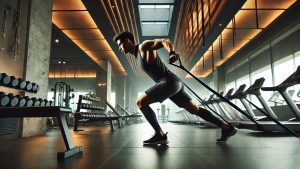
I consider resistance bands my best training partners. They’re lightweight, portable, and versatile. I’ve used them to:
- Assist during pull-ups
- Add resistance to push-ups and squats
- Improve flexibility and mobility
They’re ideal for both warm-ups and workouts and perfect for minimal equipment workouts.
Parallettes – Stability and Control
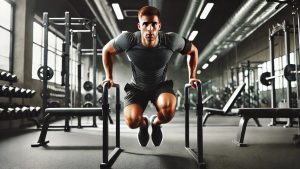
At first, I underestimated parallettes. Once I got a set, I saw immediate benefits:
- Better wrist alignment for push-ups
- Support for L-sits, tuck planches, and handstand training
- Stability for deep range of motion
They come in low and high versions, and both offer unique benefits for functional fitness.
Workout Mat – Floor Comfort for Core Workouts
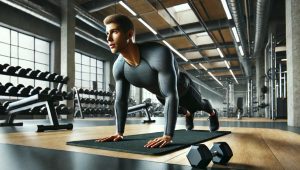
Training on hardwood or concrete isn’t ideal. A non-slip, cushioned workout mat:
- Protects my joints during sit-ups, planks, and stretching
- Provides a hygienic surface when training outdoors
- Doubles as a warm-up and recovery space
It’s simple, but essential for comfort and consistency.
Intermediate Equipment to Step Up Your Game
How Can You Build Strength and Variety?
As I got more comfortable with bodyweight training, I added equipment that allowed me to explore new movements and increase strength.
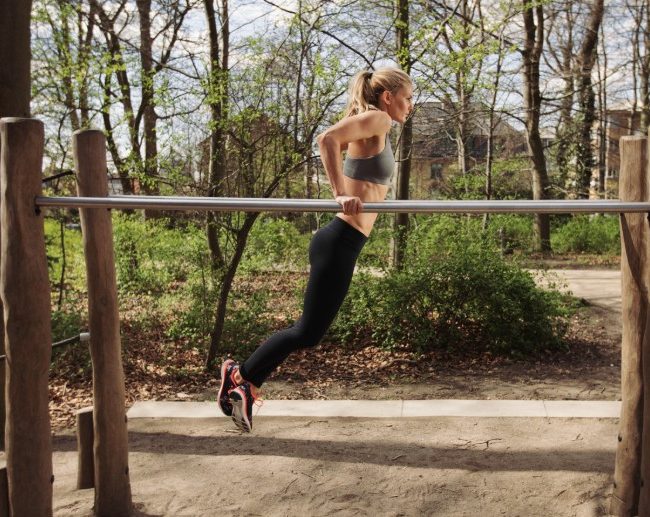
Dip Bars – Dips, L-Sits, and More
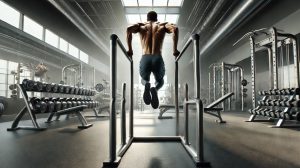
Dip bars became part of my routine when I started training for triceps and chest development. They’re also incredibly versatile:
- L-sits
- Straight bar dips
- Knee raises
Some models are foldable or height-adjustable, perfect for home or garage gyms.
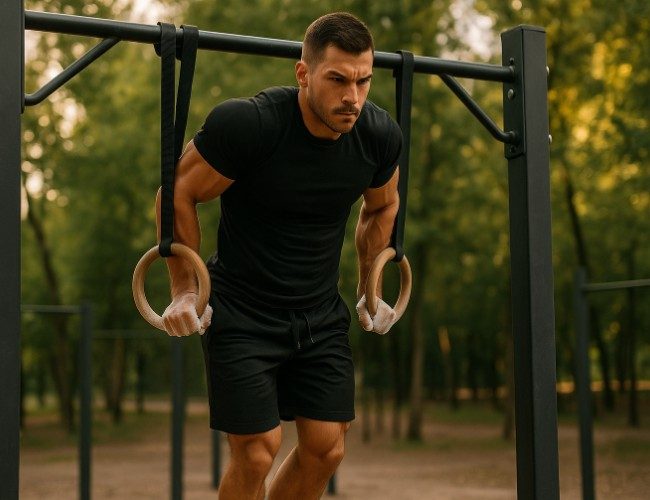
Gymnastic Rings – Balance and Stability Training
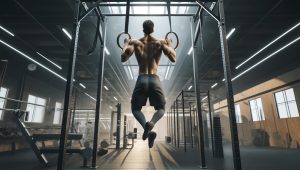
Rings were intimidating at first—but wow, did they help me develop strength and stability. Hanging them from a ceiling beam or tree branch gives access to:
- Ring rows
- Ring push-ups
- Ring dips
- Muscle-up progressions
They constantly challenge stabiliser muscles, especially during upper body strength training.
Power Tower – All-In-One Calisthenics Station
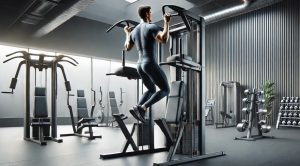
If you’ve got the space and budget, a power tower is one of the best investments. It combines:
- Pull-up bar
- Dip station
- Vertical knee raise platform
I use mine to structure full-body routines. It’s perfect for building a dedicated home calisthenics gear setup.
Advanced Calisthenics Gear for the Serious Athlete
Which Equipment Helps With Elite Movements?
Once I started exploring advanced skills like planches, muscle-ups, and weighted movements, these tools took my training to the next level.
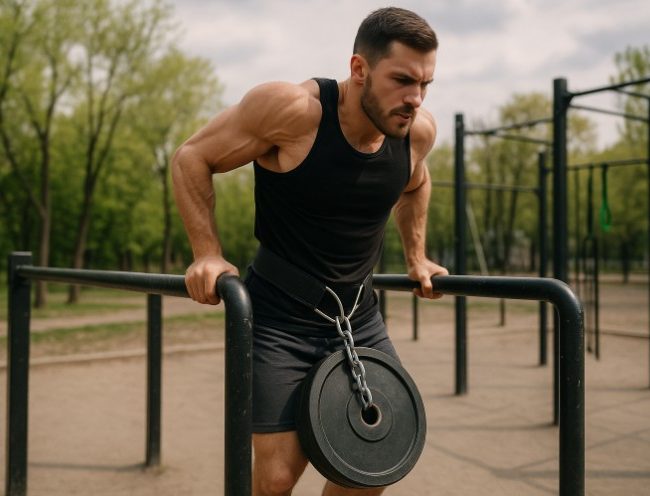
Weight Vest – Progressive Overload
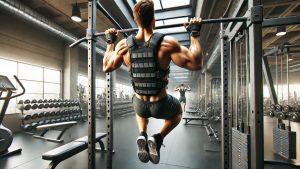
Adding a weight vest made familiar movements feel brand new. I use it for:
- Weighted pull-ups and dips
- Squats and lunges
- Push-up variations
This simple addition creates real strength gains by increasing resistance in a natural way.
Suspension Trainer – Dynamic Core Engagement
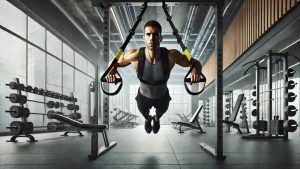
Similar to rings, suspension trainers like TRX offer more adjustability and padding. I found them excellent for:
- Dynamic planks
- Body saws
- Bulgarian split squats
They’re compact and easy to mount on doors or outdoor bars.
Handstand Blocks and Canes – Control & Skill Training
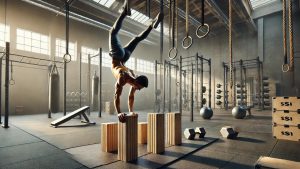
Handstand training requires fine control and wrist support. Blocks and canes helped me work on:
- Freestanding handstands
- Press to handstand
- Balance drills
Great for those diving into skill-focused street workout techniques.
Portable and Space-Saving Calisthenics Gear
What Equipment Works for Small Spaces or Travel?
When I travel or train in a small flat, these compact tools make it possible to stick to my routine:
- Resistance bands: Light, packable, and versatile
- Foldable parallettes: Easy to carry and store
- Doorframe pull-up bar: Ideal for hotel rooms or rentals
- Compact gymnastic rings: Hang from trees or beams outdoors
These are my essentials for maintaining consistency on the go.
Outdoor Calisthenics Equipment Setup
Can You Train Calisthenics in Your Garden or Park?
Yes—and I highly recommend it. Outdoor training connects you with nature, gives you space to move freely, and often includes pre-installed structures like bars and rails.
Here’s a comparison between indoor and outdoor setups:
| Feature | Home Setup | Outdoor Setup |
| Space needed | Small – Moderate | Moderate – Large |
| Cost | Low to Moderate | Varies (free in parks) |
| Equipment options | Portable, compact | Full bars, static rigs |
| Weather limitations | Indoor, all-weather | Weather-dependent |
| Privacy | High | Low |
And for those looking to complement outdoor sessions with indoor practice, our calisthenics gym in London offers structured training zones and weatherproof setups year-round.
How to Choose the Right Calisthenics Equipment for Your Goals?
What Factors Should I Consider?
There’s no one-size-fits-all when it comes to calisthenics equipment. I always take these into account:
- Budget: Start with essentials before investing in larger items
- Fitness level: Get gear that supports your current and next level
- Available space: Choose foldable or wall-mounted tools for small areas
- Workout goals: Want to build strength? Focus on weighted tools. Into skills? Prioritise balance and control equipment.
Quick Checklist:
- Resistance bands for flexibility and progression
- Pull-up bar for upper body foundation
- Parallettes and dip bars for pushing and core work
- Rings or suspension trainers for balance and stability
- Weighted vest for overload
- Mats for comfort and safety
Conclusion: Build Your Own Calisthenics Toolbox
No matter your level, the right calisthenics equipment helps unlock your full potential. I started with just a mat and a bar—and gradually built up my collection based on what I needed next.
The best part? It doesn’t take much. With just a few strategic pieces, I created a powerful, space-saving, and versatile setup that supported my growth from beginner to advanced.
Take your time, invest wisely, and build your own functional fitness playground—right at home or wherever you train.