How to Start Calisthenics? – My Beginner’s Journey into Bodyweight Training
What Is Calisthenics and Why Did I Choose It?
What Exactly is Calisthenics?
Before I started training, I always assumed fitness meant lifting weights or joining an expensive gym. That changed when I came across calisthenics, a form of training that uses your own bodyweight to build strength, endurance, mobility, and control.
Unlike traditional gym workouts that rely heavily on machines and external resistance, calisthenics focuses on natural human movement. It’s about pushing, pulling, squatting, and balancing, just using gravity and your body as resistance.
Some of the most iconic moves include:
- Push-ups for upper body and core
- Pull-ups for back and biceps
- Squats and lunges for lower body
- Planks and leg raises for core strength
Why I Chose to Start With Bodyweight Training?
I started calisthenics for a few reasons:
- I couldn’t commit to a gym membership
- I preferred the idea of training from home or in a local park
- I liked the minimalist, skill-based approach, I wanted to learn control, not just muscle size
- It looked like a challenge, and I was ready for one
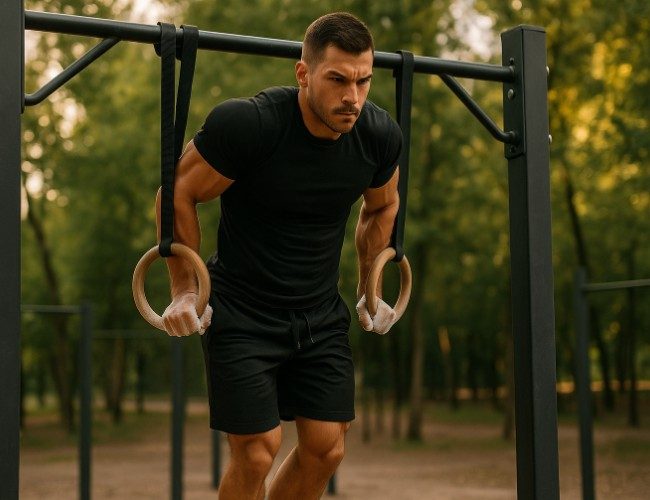
I was inspired by videos of people doing muscle-ups, planche holds, and pistol squats, and I knew I wanted to work my way towards those moves someday.
Is Calisthenics Suitable for Complete Beginners?
Absolutely. I started with no strength, zero flexibility, and no prior training experience. The beauty of calisthenics is its adaptability, every movement has a beginner variation.
For example:
- Can’t do a full push-up? Start with knee push-ups or wall push-ups
- Can’t hang from a bar? Do inverted rows using a table or TRX
- Don’t have flexibility for deep squats? Practise box squats or hold onto something for balance
Calisthenics meets you where you are.
What Should You Know Before Starting Calisthenics?
Do I Need to Be Fit or Flexible First?
I wasn’t. In fact, I had poor posture and tight hamstrings. But that’s the point of starting. You get fit and mobile through the process. The key is to listen to your body and build up gradually.
You don’t need to be able to touch your toes or run a mile. Just show up consistently. You’ll be surprised how quickly your strength-to-weight ratio improves.
What Equipment Do I Need to Begin Calisthenics?
To begin, you really don’t need much, your body is the gym. That said, here’s what I used and recommend:
| Equipment | Use | Cost Estimate (UK) |
| Pull-up Bar | For pull-ups, leg raises, hangs | £20–£30 |
| Yoga Mat | Comfort during planks, push-ups, mobility | £10–£20 |
| Chair/Bench | Elevated push-ups, dips | Free (use at home) |
| Resistance Bands | Assisted pull-ups, added tension | £10–£25 |
Can I Train Effectively at Home in the UK?
Yes, and that’s exactly what I did. Living in the UK means weather isn’t always predictable, so having a space indoors (even just 2m x 2m) was crucial.
Here’s how I adapted:
- Living room: Morning push-ups, squats, and core work
- Garden workouts on dry days
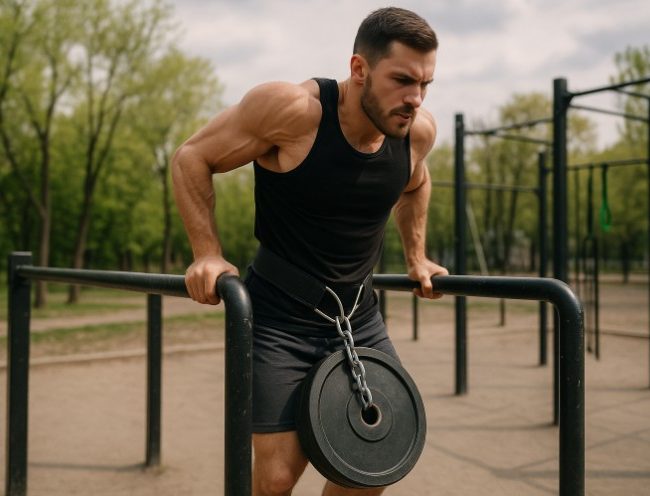
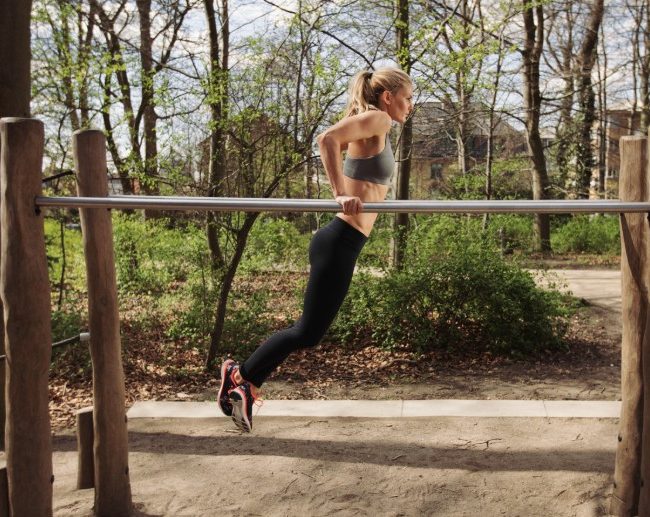
- Local parks with calisthenics bars for pull-ups and dips
If you’re near a public calisthenics park (many councils have started installing them), make the most of it, it’s free and brilliant for variety.
How to Start Calisthenics the Right Way?
What Are the Key Foundational Movements?
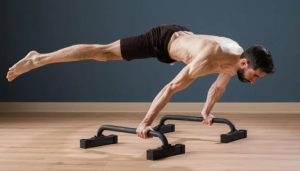
When starting out, I focused on the “Big Four” foundational exercises that target every major muscle group and help build coordination, balance, and core stability.
Foundational Calisthenics Movements:
- Push-ups: Start with incline or knee variations to target your chest, shoulders, and triceps
- Squats: Master bodyweight squats to build leg strength and improve mobility
- Pull-ups (or rows): Use a pull-up bar or perform inverted rows to strengthen your back and biceps
- Planks: Build core stability and endurance with front and side planks
Mastering these movements lays the groundwork for advanced variations later on, like handstand push-ups, muscle-ups, or one-arm pull-ups.
Should I Train Full-body or Split Routines?
As a beginner, I recommend starting with full-body workouts 3 times a week. They:
- Help reinforce form through repetition
- Build general strength across all muscle groups
- Give enough recovery time between sessions
Once I became consistent, I experimented with upper/lower splits, but for beginners, full-body is the way to go.
How Often Should Beginners Train?
Here’s what worked well for me:
| Day | Focus |
| Monday | Full-body strength (30–45 mins) |
| Wednesday | Full-body strength + core |
| Friday | Full-body strength + mobility |
| Sunday | Optional light stretch/yoga |
Rest days are crucial to prevent injury and support recovery. I used light stretching, foam rolling, or a short walk on off days.
How Can You Progress in Calisthenics as a Beginner?
What is Progressive Overload in Calisthenics?
Progressive overload is about continually challenging your muscles to improve. Since I wasn’t lifting weights, I had to increase the difficulty in other ways, like:
- Increasing reps and sets
- Slowing down the tempo for more time under tension
- Moving to harder variations of the same exercise
- Adding instability (e.g. rings, single-leg work)
This is how I went from basic push-ups to diamond push-ups, and eventually arched push-ups.
How Did I Track My Strength Improvements?
I logged every workout in a notebook and tracked:
- Date and time
- Exercises performed
- Number of reps and sets
- Notes on difficulty or form
It wasn’t fancy, but seeing the numbers go up was incredibly motivating.
When Should I Try Harder Variations?
Once you can do 3 sets of 10–12 reps with perfect form, you’re probably ready to progress. It’s not about ego, it’s about control. I moved from wall push-ups to knee push-ups, then full push-ups over a few weeks.
What Mistakes Did I Make When Starting Calisthenics?
Should You Focus More on Form or Reps?
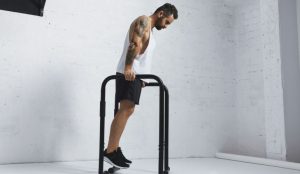
Definitely form. In my early days, I rushed to hit 20 push-ups. But my back sagged, elbows flared, and I was cheating myself. I realised that quality reps build strength far better than quantity.
What Happens if You Skip Rest Days?
Burnout. I trained 5 days straight in the beginning and ended up sore, fatigued, and unmotivated. That’s when I learned the importance of recovery, it’s during rest that your muscles actually grow.
Why is Consistency More Important Than Intensity?
I used to think I needed to “go hard or go home” every session. But I made more progress by showing up consistently, even if it was just for 20 minutes.
My Beginner Calisthenics Workout Plan
Here’s the exact beginner routine I followed for the first month:
| Day | Focus | Exercises (3 sets each) |
| Monday | Push/Core | Incline push-ups, plank (30s), leg raises, shoulder taps |
| Wednesday | Pull/Lower | Inverted rows, squats, glute bridges, bird-dog holds |
| Friday | Full-Body | Burpees, alternating lunges, standard push-ups, plank |
I focused on perfect form and increasing reps weekly. By the end of 4 weeks, I had improved in every movement.
What Role Does Nutrition Play in Calisthenics Progress?
Should Beginners Follow a Specific Diet?
You don’t need to follow a rigid plan, but you do need to eat for your goals. I focused on building lean muscle, so I aimed for a small calorie surplus with plenty of protein, complex carbs, and healthy fats.
What Did I Eat to Support Strength and Recovery?
Here’s an example of a typical day of eating:
| Meal | Example Foods |
| Breakfast | Eggs, oats with peanut butter and banana, black coffee |
| Mid-Morning | Protein smoothie and almonds |
| Lunch | Grilled chicken, brown rice, mixed vegetables |
| Afternoon | Apple and low-fat yoghurt |
| Dinner | Baked salmon, quinoa, steamed broccoli |
The focus was on whole, minimally processed foods that fuelled recovery and performance.
What Tools Helped Me Stay Consistent?
Should I Track My Workouts?
Yes! I used a simple notebook and a Google Sheet to log progress. Eventually, I added a habit tracker to keep myself accountable for stretching, hydration, and sleep too.
Are Apps and Youtube Channels Helpful?
These helped me learn proper form and stay motivated:
- Madbarz (custom beginner calisthenics workouts)
- Thenx (step-by-step YouTube tutorials)
- Reddit r/bodyweightfitness (great for advice & support)
How Did I Stay Motivated as a Beginner?
I set small goals and rewarded progress. For example:
- Master 10 perfect push-ups = buy a new workout shirt
- Complete a 4-week routine = treat myself to a sports massage
Tracking results visually with photos every 2–4 weeks was another powerful motivator.
Do’s and Don’ts for Calisthenics Beginners
Do’s
- Start slow and focus on form
- Learn foundational movements first
- Train consistently 2–3 times per week
- Warm up and stretch before every session
- Celebrate small wins and stay patient
Don’ts
- Don’t compare yourself to people on Instagram
- Don’t jump into advanced moves too early
- Don’t ignore rest days or sleep
- Don’t let soreness stop you, learn to manage it
My Calisthenics Journey: What I Gained in the First 90 Days
How My Strength and Mobility Improved?
After 3 months:
- I went from 3 push-ups to 20 clean ones
- I held a plank for 60+ seconds
- I performed full squats with better hip mobility
- My posture improved noticeably
What Surprised Me Most?
Calisthenics didn’t just make me stronger, it made me feel more connected to my body. I became more aware of my movements, posture, and breathing.
Would I Recommend Calisthenics to Other Beginners?
Absolutely. It’s empowering to realise that your own body is your best tool for transformation. No gym required.
Final Thoughts: Is Calisthenics the Right Way to Start Training?
Who Should Try Calisthenics First?
- Anyone wanting to train at home or outdoors
- Those on a budget
- People looking to build functional strength and mobility
- Beginners who want to learn body control and discipline
Can Calisthenics Replace the Gym for Beginners?
Yes. You can get fit, strong, lean, and mobile without ever touching a barbell. For general health and fitness, calisthenics is more than enough.
What’s the Best Way to Begin Today?
- Pick 4 foundational moves
- Set a schedule you can stick to
- Track your progress weekly
- Stay patient, stay consistent
- Just start , your body will adapt
Still wondering how to start calisthenics? The answer is simple: Start small. Start now. Just start.