Understanding the Basics: What Are Calisthenics and Gym Workouts?
What Exactly is Calisthenics?
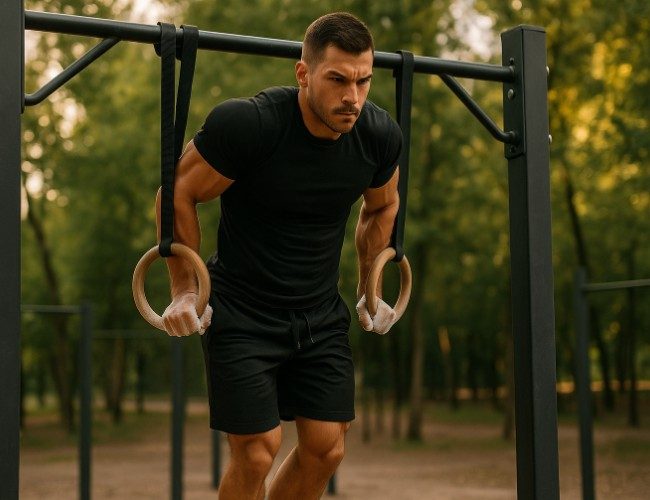
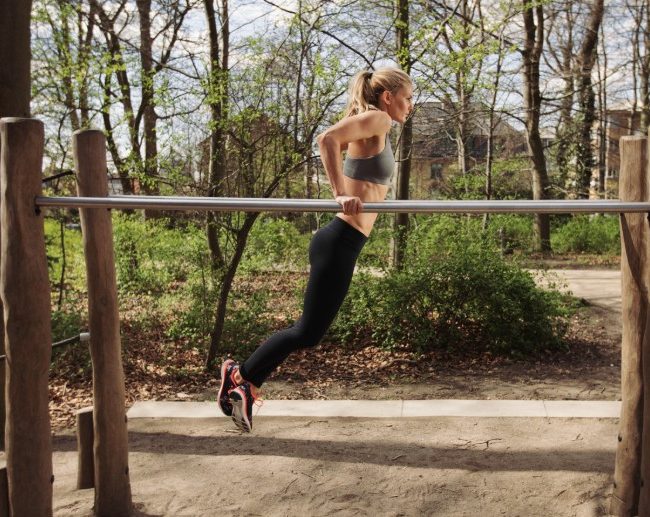
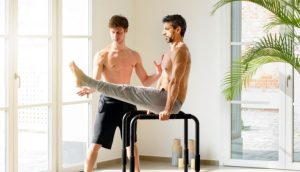
When I first discovered calisthenics, I learned it was a form of training that uses my own body weight as resistance. That means no fancy machines, just raw movement and control. Exercises like pull-ups, push-ups, dips, and squats are foundational. What drew me in was the simplicity: I could train anywhere, anytime, without needing equipment beyond a bar or even a sturdy tree branch.
How Do Gym Workouts Differ?
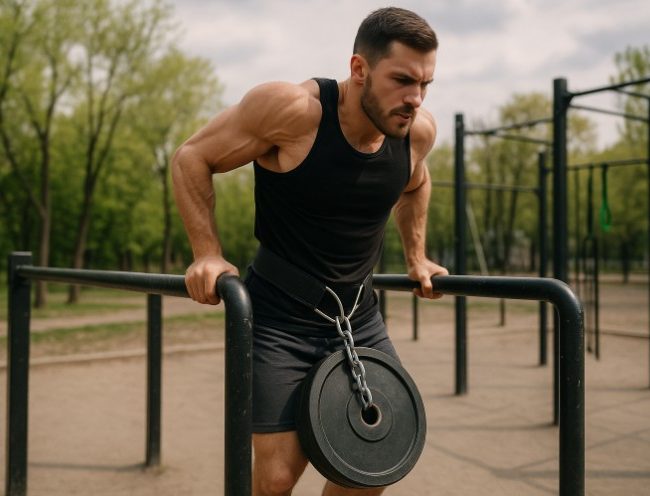
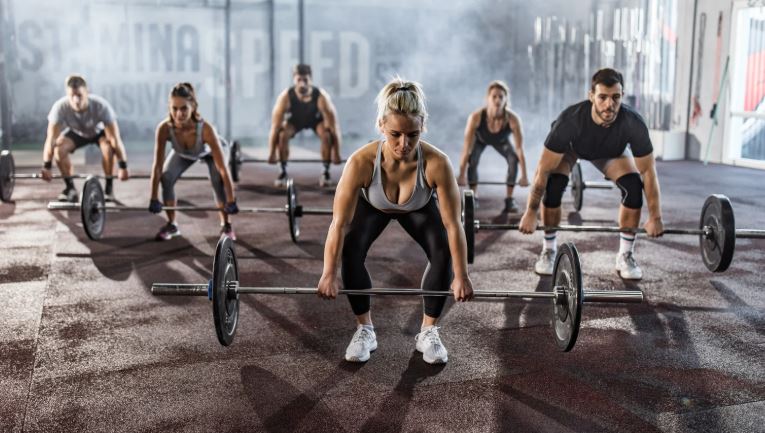
Gym workouts revolve around equipment, whether it’s machines, barbells, or dumbbells. They’re built on structured programs where each machine targets specific muscles. This approach made it easy for me to focus on hypertrophy (muscle gain) and progressive overload by increasing weight and reps over time.
Which is More Accessible for Most People?
I realised early on that accessibility plays a big role. If you live in a flat or don’t have a gym nearby, calisthenics is incredibly convenient. On the other hand, UK cities like London or Manchester have a wide range of gyms, some open 24/7.
How Do Calisthenics and Gym Workouts Support Different Fitness Goals?
Which One is Better for Building Strength?
I noticed that calisthenics helped me build functional strength, the kind of strength that makes everyday tasks easier. Movements like muscle-ups and pistol squats demand balance and coordination. That said, the gym allowed me to lift heavier loads, which sped up my gains in absolute strength.
Can I Build Muscle With Just Calisthenics?
This is one of the most asked questions. The answer? Yes, but it takes time. Calisthenics relies on progressive variations. For instance, I moved from push-ups to diamond push-ups, then to archer push-ups. Each step made the movement harder, encouraging muscle growth.
Gym advantage: I could simply add more weight to the bar and see measurable progress every week.
Can I Build Muscle With Just Calisthenics?
Calisthenics routines often involve full-body movements with little rest in between, which boosted my aerobic capacity. Moves like burpees, mountain climbers, and jumping lunges kept my heart rate up and improved endurance far more than traditional weightlifting.
What About Flexibility, Mobility, and Functional Fitness?

How Did Calisthenics Improve My Mobility?
I found that calisthenics naturally incorporated full-range movements. When performing a deep squat or a skin-the-cat (a gymnastics movement), my joints were forced to move more fluidly. Over time, I noticed less stiffness, better posture, and smoother motion in daily life.
Does Gym Training Limit Flexibility?
To be honest, it can, especially if you focus solely on machines. Machines restrict movement to a fixed path, which doesn’t train the supporting muscles. That said, with a proper warm-up and stretching routine, you can maintain flexibility in the gym.
Which is More “functional” in Real Life?
Functional fitness means strength that helps me in everyday situations, carrying shopping, climbing stairs, or lifting furniture. In that sense, calisthenics felt more natural and directly applicable to daily tasks.
Is One More Beginner-Friendly Than the Other?
Can Beginners Start With Calisthenics?
Absolutely. When I first started, I couldn’t even do one proper push-up. But by starting with incline push-ups and negative reps, I built strength gradually. However, it did take time to learn proper form without anyone guiding me.
Is the Gym a Safer Place for Beginners?
In some ways, yes. Most gyms have trainers or programs that help beginners avoid injury and build routines. Machines are designed to assist movement, which can be reassuring if you’re unfamiliar with exercise mechanics.
Which is More Intimidating to Start?
Honestly, both can be. Trying to do push-ups in a public park felt awkward at first, just like stepping into a weight room full of heavy lifters. But once I built consistency and confidence, both environments became more welcoming.
How Do Cost, Space, and Convenience Compare?
What Are the Financial Costs?
Here’s a breakdown I created based on my own experience in the UK:
| Cost Factor | Calisthenics | Gym Workouts |
| Initial investment | £0–£30 (pull-up bar/mat) | £100–£300 (gear, induction fee) |
| Monthly cost | Free | £20–£100/month (membership) |
| Long-term expenses | Minimal | Ongoing |
| Total after 1 year | ~£30 | £240–£1,200+ |
Clearly, calisthenics is the winner in terms of cost-effectiveness.
What About Space and Time?
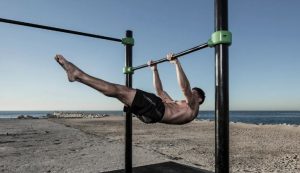
- Calisthenics: I trained in my living room, garden, or local park, no commute, no setup time.
- Gym: It took time to travel, wait for machines, and change. Still, the structured environment made it easier to focus.
What Are the Long-Term Challenges and Benefits?
Does Calisthenics Get Boring Over Time?
It can, unless you’re creative. I constantly challenged myself with progressions, like going from push-ups to handstand push-ups or levers. Calisthenics became a bit of a game for me, unlocking moves one by one.
Can Gym Workouts Be More Motivating?
Definitely. Having access to so many tools, classes, and personal trainers helped me stay engaged. Plus, watching others train often inspired me to push harder.
Which Promotes a Longer-lasting Fitness Lifestyle?
Here are a few long-term lifestyle comparisons:
| Factor | Calisthenics | Gym Training |
| Long-term motivation | Self-driven, skill-based | Social, structure-based |
| Lifestyle integration | High (can train anywhere) | Moderate (relies on facility access) |
| Injury potential | Lower if technique is good | Moderate to high with heavy lifting |
I found that calisthenics aligned more with my daily habits, while the gym required more commitment and scheduling.
Calisthenics vs Gym: Side-by-Side Comparison Table
| Category | Calisthenics | Gym Training |
| Cost | Free or very low | Moderate to high |
| Strength Type | Functional and bodyweight-based | Isolated and load-based |
| Muscle Gain Speed | Gradual | Faster with equipment |
| Flexibility & Mobility | High | Medium (unless combined with mobility) |
| Convenience | Can be done anywhere | Requires a facility |
| Skill Development | High (gymnastics-style movements) | Low to moderate |
| Beginner-Friendly | Moderate (steeper learning curve) | High (machines and trainers help) |
My Personal Take: Which Did I Choose in the End?
Why I Started With Calisthenics?
I didn’t have the money for a gym membership at the time, and I wanted to build strength using what I already had, my own body. Calisthenics helped me understand how my body moved, how to control it, and how to improve gradually.
Why I Incorporated Gym Workouts Later?
Eventually, I hit a plateau. I wanted more muscle mass and structure, so I joined a local gym. That’s where I started tracking my progressive overload, experimenting with machines, and lifting heavier.
Would I Recommend One Over the Other?
Honestly, it depends. If you’re just starting out, want to stay lean, and train anywhere, start with calisthenics.
If you need structured programs, want to build size, and have a gym nearby, go with gym training. Personally, I now mix both.
Final Verdict: Is Calisthenics Really Better Than Gym?
What Questions Should You Ask Yourself?
- Do I want to train at home or need a structured environment?
- Is my goal to build mass or master body control?
- Do I have space and weather conditions to support outdoor training in the UK?
- Can I commit financially to a gym long-term?
So, is Calisthenics Better Than Gym?
It depends entirely on your goals and lifestyle. From my experience, both have unique strengths.
I’ve benefitted from the freedom of calisthenics and the precision of gym workouts. If you can, try both, you may find that the best path lies somewhere in between.
Is Calisthenics Better Than Gym?
Calisthenics can be better than the gym for building functional strength, improving mobility, and training without equipment, making it ideal for beginners or those on a budget.
However, gym workouts offer more options for muscle growth, structured progression, and faster hypertrophy through equipment and weights. The better choice depends on your fitness goals, lifestyle, and training preferences.